The Role of Digital Marketing in Boosting Travel Agencies
In today’s fast-paced world, the tourism industry has undergone a major transformation. Travelers increasingly rely on online sources to plan trips, compare options, and book services.
For a travel agency, adopting digital marketing strategies is essential to remain competitive. By using digital channels, tour operators can reach a broader audience, generate leads, and enhance customer engagement.
Digital marketing for tours and travel has become a fundamental tool for growth, helping agencies adapt to evolving customer preferences while increasing overall visibility.
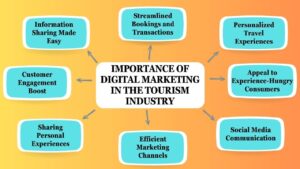
1. Wider Reach and Increased Visibility
Digital marketing enables agencies to promote their offerings to a global audience. Unlike traditional marketing methods, online campaigns can reach thousands of potential clients in a short time.
For businesses offering tour packages, this ensures that their services are visible to travelers actively seeking new experiences.
Social media campaigns, search engine optimization, and paid ads help agencies connect with clients who may not have been reached through offline promotions.
Carefully crafted campaigns ensure that the right audience discovers the agency’s offerings, increasing engagement and the likelihood of bookings.
2. Cost-Effective Marketing Solutions
One of the most significant benefits of digital marketing is cost efficiency. Online campaigns are often less expensive than print, television, or billboard advertising, while offering measurable results.
Agencies offering bus rental service can optimize campaigns using performance metrics, ensuring that budgets are allocated effectively.
Similarly, businesses providing car rental service can reach users actively searching for transportation options. Email marketing and retargeting campaigns further enhance return on investment by encouraging potential clients to revisit services.
3. Improved Customer Engagement
Engaging clients online helps build trust and credibility for any travel agency.
Interactive websites, social media posts, and blogs allow agencies to respond to inquiries, share travel itineraries, and provide useful guidance on trips.
Sharing travel tips and personalized recommendations for luxury travel or adventure tours helps establish a strong relationship with potential clients. Consistent communication through these channels fosters long-term loyalty and encourages bookings.
4. Enhanced Targeting and Personalization
Digital marketing allows agencies to target customers based on demographics, interests, and online behavior.
By analyzing previous interactions, businesses can recommend travel services or packages most relevant to individual users.
For example, someone exploring transportation options might see tailored promotions for bus or car rentals. Personalization improves user experience, boosts engagement, and increases the likelihood of converting leads into paying customers.
5. Better Brand Awareness and Authority
Maintaining a strong digital presence strengthens brand recognition. Agencies can showcase their services, post travel guides, and display client testimonials, positioning themselves as reliable and authoritative providers.
Providing valuable content about luxury travel or adventure tours enhances credibility.
Search engine optimization ensures that when travelers search for services or experiences, the agency appears prominently, further reinforcing authority in the industry.
6. Lead Generation and Sales Conversion
Digital marketing is effective in converting website visitors into paying clients. Landing pages, calls-to-action, and easy-to-use forms guide potential customers through the booking process.
Individuals browsing travel services are more likely to complete a booking when presented with clear, compelling offers. Promotions highlighting exclusive trips or curated experiences increase engagement and drive conversions.
7. Data-Driven Decision Making
Analytics tools allow agencies to track performance, monitor customer behavior, and adjust marketing strategies.
Understanding which campaigns drive traffic or lead to bookings ensures more efficient planning.
By analyzing trends related to tour packages, businesses can optimize offerings and pricing. Insights from user behavior also help improve customer satisfaction, increasing the likelihood of repeat bookings.
8. Competitive Advantage
Agencies leveraging digital marketing gain a significant edge over competitors relying solely on traditional methods. Optimizing websites, creating targeted campaigns, and using social media effectively ensures that agencies reach clients before others do.
Monitoring competitors’ online activity allows agencies to refine their strategies, offer innovative experiences, and stand out in a crowded market.
Promoting unique travel experiences such as adventure tours or premium trips ensures the agency remains top-of-mind for prospective clients.
9. Customer Reviews and Social Proof
Online reviews and testimonials play a crucial role in influencing traveler decisions. Displaying positive feedback across websites and social media reinforces credibility and builds trust.
Clients considering tour packages often rely on peer reviews before making a decision.
Agencies showcasing satisfied customers for transportation options create reassurance for new clients. Similarly, reviews highlighting premium trips or adventure experiences increase confidence in the agency’s services.
10. Flexibility and Adaptability
Digital marketing campaigns are highly flexible, allowing agencies to test strategies and make real-time adjustments. Seasonal promotions or special offers can be launched instantly to meet current demand.
Whether highlighting trips, transportation services, or curated travel experiences, digital marketing ensures campaigns remain relevant. Adaptable campaigns can target peak travel seasons or respond to sudden market changes, capturing demand efficiently.
12. Strengthened Online Presence
A strong digital presence is crucial for any modern agency. Maintaining a professional website, active social media profiles, and consistent content updates builds credibility and encourages bookings.
By promoting a variety of travel services and unique experiences, such as luxury travel, agencies increase client trust and engagement. Over time, this strategy leads to higher bookings and a solid reputation in the tourism industry.
Conclusion
Digital marketing has fundamentally transformed the travel and tourism industry. It allows agencies to increase visibility, engage clients, generate leads, and convert interest into sales.
Using strategies like SEO, social media, email campaigns, and content marketing, agencies can effectively promote a variety of travel services and curated experiences.
By embracing digital marketing for tours and travel, a modern agency improves sales, builds long-term client relationships, and gains a sustainable competitive advantage.
With personalized campaigns, strong online presence, and data-driven strategies, agencies can thrive in a rapidly evolving industry.