

The tourism industry is one of the fastest-growing sectors globally, and the tours and travel business is at the heart of this growth. Starting a tours and travel business can be highly rewarding, both financially and professionally, as it allows you to help people explore new places while earning a sustainable income. Whether you want to focus on domestic tourism, international travel, or niche travel experiences like adventure trips or luxury tours, there’s a vast opportunity to succeed.
1. Understand the Tours and Travel Industry
Before starting, it’s crucial to understand the market dynamics of the tours and travel business. Tourism includes services like travel planning, hotel bookings, flight and transport arrangements, sightseeing tours, and travel insurance.
Domestic Travelers – People traveling within the country for vacations or short trips.
International Travelers – Tourists traveling abroad who need complete travel packages.
Corporate Clients – Companies looking for travel arrangements for employees or business events.
Specialized Travel – Adventure trips, eco-tourism, luxury tourism, wellness retreats, or honeymoon tour packages.
The key to success is identifying a niche and understanding your customer’s preferences.
2. Create a Solid Business Plan
A well-structured business plan forms the foundation of your tours and travel business. Include the following elements:
Business Model – Decide whether you want to operate a physical travel agency, an online platform, or a combination of both.
Services Offered – Include ticketing, hotel bookings, tour packages, transportation, and concierge services.
Target Audience – Define your primary customer base and understand their travel preferences.
Competitor Analysis – Study competitors in your region and online to identify gaps in services.
Marketing Strategy – Plan how to reach customers through social media, SEO, partnerships, and offline promotions.
Financial Plan – Estimate startup costs, operational expenses, and potential revenue streams.
A clear plan ensures that you have a roadmap to follow and reduces risks in your business.
3. Legal Requirements and Registration
Running a tours and travel business requires legal compliance. Here’s a step-by-step process:
Business Registration – Business Registration: Register your company as a private limited company, partnership, LLP, or sole proprietorship.
GST Registration – Obtain GST if your annual turnover exceeds the threshold set by the government.
IATA Accreditation (Optional) – For international flight bookings, you may need IATA accreditation.
Trade Licenses – Obtain licenses from local municipal authorities or state tourism departments.
Travel Insurance Tie-ups – Partner with insurance providers to offer travel insurance packages to your clients.
Complying with legal requirements ensures your business is trustworthy and helps avoid fines or legal complications.

4. Build Partnerships and Suppliers Network
The backbone of a tours and travel business is strong relationships with service providers. You should:
Partner with airlines, bus rental service, and hotels to provide competitive pricing.
Tie up with local tour guides, adventure companies, and travel facilitators to offer authentic experiences.
Establish connections with foreign tour operators if you plan to provide international travel services.
Negotiate commission rates and exclusive deals to maximize profit margins.
Reliable partnerships ensure smooth operations and happy customers.
5. Invest in Technology
In today’s digital era, a tours and travel business without technology is nearly impossible to succeed. Key tools include:
Website and Booking Portal – Build a responsive website with online booking capabilities.
CRM Software – Manage customer relationships, track inquiries, and follow up on leads efficiently.
Payment Gateway Integration – Ensure secure and multiple payment options for customers.
Mobile App (Optional) – For convenience, provide customers with easy booking and real-time updates via a mobile app.
Technology helps you reach a larger audience and improves customer satisfaction. Using online tools for car rental service can streamline your operations.
6. Marketing and Promotion
Marketing is key to attracting travelers in a highly competitive market. Focus on:
Search Engine Optimization (SEO) – Optimize your website with keywords like tours and travel in [city]”, “best travel packages 2025, and affordable holiday tour packages.
Social Media Marketing – Promote services on Facebook, Instagram, LinkedIn, and Pinterest to target different demographics.
Content Marketing – Share blogs, travel guides, tips, and videos to engage potential customers.
Email Marketing – Send offers, discounts, and travel updates to your subscriber list.
Local Marketing – Flyers, hoardings, travel exhibitions, and partnerships with hotels can boost offline visibility.
Consistent marketing increases brand visibility and builds trust among travelers.
7. Offer Unique and Personalized Travel Packages
One of the biggest advantages of a small or medium-sized travel agency is the ability to customize travel experiences. Offer:
Themed Tours – Adventure, wellness, cultural, or culinary tours for the luxury traveller.
Flexible Packages – Allow travelers to choose dates, hotels, and activities.
Exclusive Deals – Early bird discounts, group offers, and seasonal promotions.
Value-Added Services – Travel insurance, local guides, bus rental service, car rental service, and 24/7 customer support.
Providing tailored experiences using tour packages helps attract repeat customers.
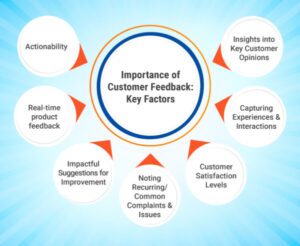
8. Focus on Customer Service and Feedback
Customer satisfaction is paramount in the tourism industry. To maintain high standards:
Train your staff to be polite, knowledgeable, and proactive.
Provide real-time support via chat, phone, or email.
Encourage customer reviews and testimonials.
Handle complaints promptly and learn from feedback to improve services.
Positive reviews and word-of-mouth referrals are crucial for growing your business.
9. Track Finances and Expand Gradually
Efficient financial management ensures long-term sustainability. Use accounting software to:
Track revenues and expenses.
Calculate commissions and profits.
Monitor cash flow and plan investments.
Once the business stabilizes, consider expansion by:
Adding new destinations and tour packages.
Launching mobile apps for easier booking.
Offering luxury traveller services for premium clients.
Gradual expansion minimizes risks and ensures profitability.
10. Maintain Operational Excellence
Efficient operations ensure high customer satisfaction and repeat business. Key practices include:
Training staff regularly for service excellence.
Optimizing vehicle usage, including bus rental service and car rental service.
Maintaining strong supplier relationships.
Using technology for scheduling, booking, and real-time updates.
Operational efficiency improves customer experience and maximizes profits.
Conclusion
Starting a tours and travel business in 2025 can be highly profitable if planned strategically. Understanding the market, building strong partnerships, leveraging technology, offering personalized experiences, and implementing effective marketing are key pillars of success. . With careful planning, understanding customer preferences, leveraging technology, and providing exceptional service, entrepreneurs can build a brand that stands out in a competitive market. Success comes from combining creativity, operational efficiency, and personalized experiences that turn first-time travelers into loyal clients. By staying adaptable and continuously innovating, your tours and travels venture can not only thrive today but also sustain long-term growth in the ever-evolving travel industry.